14 Mid-semester review
Review the basics of wrangling and visualization
14.1 Warm-up
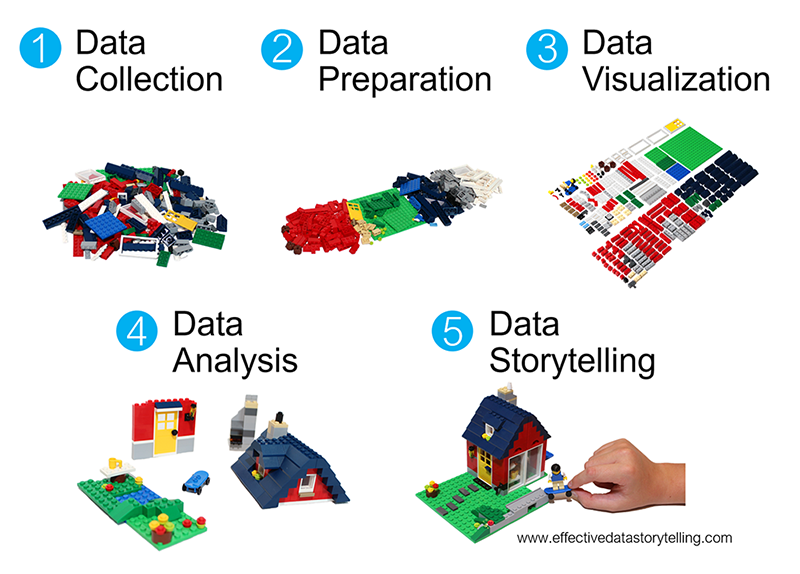
Recall the major themes of our work thus far:
- Getting to know your data
- key functions:
head(),dim(),nrow(),class(),str()
- key functions:
- Data visualization
- picking an appropriate plot / evaluating the appropriateness of a plot
- interpreting the results of a plot
- building effective plots that are accessible and “professional”
- key functions:
ggplot()geom_bar(),geom_density(),geom_boxplot(),geom_histogram(),geom_point(),geom_line(),geom_smooth()facet_wrap()
- key features:
color,fillfig.alt,fig.caption
- Data preparation: wrangling data
- goals
- wrangle our data
- obtain numerical summaries of our data
- key functions
arrange()our data in a meaningful order- subset the data to only
filter()the rows andselect()the columns of interest mutate()existing variables and define new variablessummarize()various aspects of a variable, both overall and by group (group_by())count()up the number of instances of an outcome or set of outcomes
- goals
- Data preparation: reshaping data
- goal: reshape our data to fit the task at hand
- functions: -
pivot_longer()-pivot_wider()
- Data preparation: joining data
- goal: join different datasets into one
- functions
- mutating joins which combine columns of different datasets:
left_join(),inner_join(),full_join() - filtering joins which filter rows according to membership / non-membership in another dataset:
semi_join(),anti_join()
- mutating joins which combine columns of different datasets:
- Data preparation: working with factor variables
- goals:
- turn character variables into factor variables (when necessary)
- turn factor variables into more meaningful factor variables
- key functions:
- reordering categories / levels:
fct_relevel(),fct_reorder() - change category labels:
fct_recode()
- reordering categories / levels:
- goals:
- Data preparation: working with strings
- goal: detect, replace, or extract certain patterns from character strings
- key functions: - return a modified string:
str_replace(),str_replace_all(),str_to_lower(),str_sub(),str_extract()- return a set of TRUE/FALSE:str_detect()- return a number:str_length()
We’ll practice SOME of these concepts today. Important caveats:
- This activity is NOT an exhaustive review – it doesn’t cover every topic or every type of question you’ll be asked.
- Be kind to yourself! If you haven’t started studying / reviewing yet, this might feel bumpy.
14.2 Part 1: What’s the verb? Game!
Goal: Review some of the functions we’ve learned.
Directions:
- In your table group, take turns writing the answer on the Part 1 activity.
- Switch every question.
- If you are the one writing, you cannot say the answer but could guide others in your group.
- This structure is intended to support your learning and establish equity in the group.
You’ll have 15 minutes to complete this activity, and we’ll review it together afterwards.
14.3 Part 2: Quiz practice
Goal: Practice some problems that are more in the style of the quiz questions. These give you a sense of the structure, vibe, and types of questions that might be asked so that none of that comes as a surprise.
Directions:
- In your table group, take turns writing the answer on the Part 2 activity.
- Switch every question.
- If you are the one writing, you cannot say the answer but could guide others in your group.
- This structure is intended to support your learning and establish equity in the group.
Once you’ve completed your work, work on Homework 6 (or anything else related to this class).
14.4 Part 3? Review your work on the review
After finishing the review activity: review your review!
Go over the questions. Did you get any wrong? Which ones did you find hard? Think about your thinking as you did the questions.
Make notes on those questions: they are telling you the topics to study first.
Try doing the questions again, from scratch: write the question down on a new piece of paper, and answer it again without help. Try something in RStudio. Try to find similar questions and answer those.
Doing this will be an effective way to study for the quiz.
14.5 Wrap-up
Homework 6 is due 4/2.
Quiz 2 is next Tuesday in class.
- All information is available on the Quiz Information page.